Big Bear Vans
Loading your next adventure
Big Bear Vans
Loading your next adventure
Big Bear Vans
Loading your next adventure
Connect With Us
Talk with our experts in Big Bear, California, about financing, test drives, and personalized upgrades.
Date
Time
Details
Review
Support Line
+1 (951) 441-9719
Please sign in with Google to manage your bookings.
Tell us what’s on your mind!
320 W Big Bear Blvd, Big Bear, CA 92314, USA
Big Bear Vans
Loading article

Expert Journal
Are you dreaming of ditching your home to live in an RV on your land? But the uncertainty of zoning laws and restrictions seems overwhelming. Well, we got you. RV living is like navigating a maze without a map. Every state town or county has different rules, making it confusing to find an RV-friendly place. Which states allow you to live in an RV on your property and which don’t? Do you require a permit or special license to live? Let us help you to navigate this maze.
Skip the DIY build headaches and compliance worries. We build 4-season, fully off-grid custom Mercedes Sprinter and Ford Transit camper vans equipped with full electrical, water, and heating systems.
Section 7
Do you ever wonder why many states put restrictions on full-time RV living? These actions against RV living have a lot of potential reasons behind them. Here they are:
Section 9
Cities have specific zones like residential, commercial, industrial, etc. Your RV doesn't fit into the category of the traditional home.
Section 11
Zoning laws are created to maintain land use and urban planning.
Section 13
Gray and black water from your RV can cause serious health issues if you don’t dispose of them correctly.
Restrictions to make RVs your permanent residence are also imposed for safety purposes. RVs are more vulnerable to fire, storms, and thefts.
Homeowners’ associations put restrictions against RV living to maintain neighborhood aesthetics.
As an RV your main advantage is not to pay taxes but this goes against the law. The local government will generate less tax revenue if more people live in RVs.
Section 21
We create custom van conversions that match your lifestyle.


Deep Dive
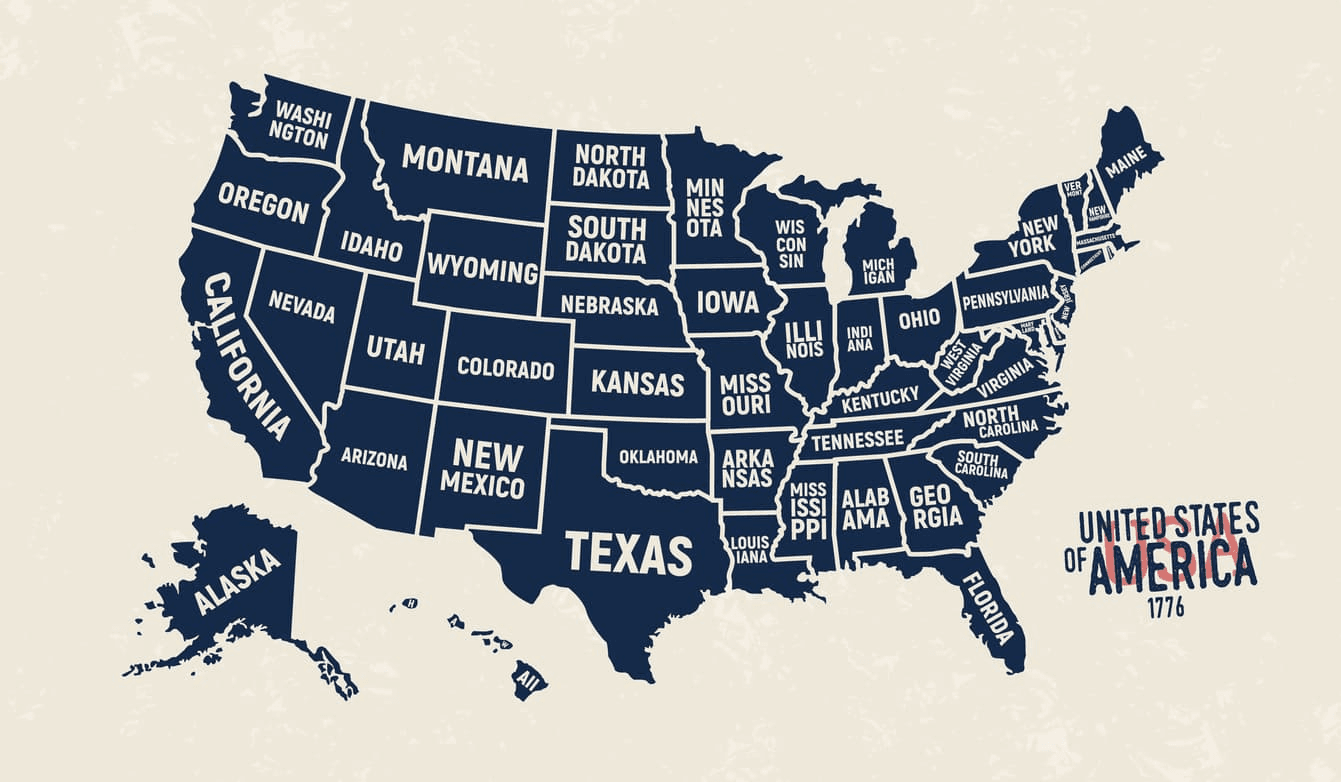
Most states (34) in the US allow you to live full-time in an RV on your private property. Some others require permits or only allow temporary stays, even on your land. States that permit you to live in an RV on your property are the following:
Alabama state lets you live full-time in an RV. But you have to register your vehicle with local county authorities.
You can live in your RV on private land, only if you don’t park your motorhome in the street to hinder the path. Arizona offers relaxed laws for RV lovers. But in some areas, you may need a permit. In some cities, they have strict zoning laws. You should always check in with your local county area.
Colorado also has friendly laws for full-time RV living. You can stay on your property in your motorhome as long as you want.
Florida is popular among RV lovers due to its flexible laws. You can reside in your RV full-time without a special permit. But, you should follow all the rules and connect your RV to utilities.
It’s legal in Illinois to live full-time in an RV until you abide by all the rules of your county or city related to RV living.
In Iowa, staying in your RV is permitted if you have private property or the owner’s consent to live there. You should also avoid nuisance and carelessness regarding health, as these may cause problems.
Idaho allows its residents to live in RVs on their land but it also has specific regulations.
You must be an Idaho resident
You must buy your land (about one acre)
You can only put one RV per property
You should also have proper water & sewage connections and facilities to cook in your RV.
You cannot live in some states from 30 NOV to 15 March.
Kansas allows living full-time in an RV. You should have your private property and the authentic registration of your vehicle from the Department of Motor Vehicles.
Full-time RV residency on your land is legal in Louisiana. But if you have plans to live more than six months then:
You should register as a resident of Louisiana
You should pay taxes
Your RV will have to pass state inspection and fulfill safety requirements
In Maine, staying in your RV on your private land is legal. However, some cities and towns may have strict regulations about the time limit of your stay or may require additional permits.
No law in Maryland prohibits full-time RV residency. However, you should always check your area's zoning codes, as some towns may have restrictions.
Massachusetts permits you to live in an RV on your private land. However, you should abide by all the regulations like:
Your land should be zoned in a residential area
Your RV should have a place to sleep, cook, and shower.
Full-time RV residency on your land is legal in Mississippi. But in some areas, you may get a special permit to reside on your private property.
Missouri law allows you to live in an RV as a resident on your private land. Staying on public land is not allowed.
You should check if your property is zoned for RV use
You should maintain your mobile home by installing proper trash & waste management
Nebraska lets you stay on your property in an RV. If you plan to live more than 30 days then:
You have to get a “Camper Unit Permit” from the state
You can’t transfer the permit to someone else
Your permit will expire every year on 1st January
You can stay in your RV in New Jersey but first:
You need a permit from the local authorities
You need to maintain your RV regularly
Generally, no law in New Mexico bans RV residency. But you have to check your town or city’s zoning laws. Some areas may require a permit.
New York also allows its residents to live in an RV on their property but first, you have to talk to your local area Government and get permission. Some areas in New York have restrictions about the type of RV you should choose or about how long you can stay on your land in an RV.
Generally, no law in North Dakota prohibits full-time RV living on land. In some areas, you have to submit special documentation or get a permit.
In North Carolina, whether you can stay in an RV on your property or not depends on the regulations of your county or town. Some areas allow this but others prohibit it. You must check in your local county laws.
Ohio allows you to live in your RV on private property. But your land should be zoned in for residential use.
Oklahoma is one of those states that allow you to live in an RV on your property. The only thing is consultation with the local authorities for the rules & regulations.
A recent law in Oregon (Senate Bill 1013) enables RV lovers to live full-time in an RV on their private property.
In Pennsylvania, you can live on your land in an RV if you own the land or have permission from the land owner.
Full-time residency in South Carolina is permitted. Your land should be zoned for RV residency.
Known for its friendly regulations regarding RV living, South Dakota lets you live in an RV on your land.
If your land is zoned for RV living then you can live full-time on your land. Consult with local regulations before setting your RV on land.
Texas has one of the most friendly laws for RV lovers. You can live in your RV on private property if:
You have your land or owner’s permission
You have an authentic RV license
You pass the inspection test
You pay property taxes
You can live in Utah on your land in an RV. Rural areas in Utah have flexible laws regarding full-time RV living. Urban regions may have strict regulations for RV residency.
If you have your land or have the owner’s permission, you can live permanently in Vermont in an RV on your private property. You only have to get a domicile address and tax requirements.
Virginia state does not pass law against full-time RV living on your land. But you should have a proper sewage and electrical setup. In some towns, you may require a permit while some only allow you to stay on your land temporarily.
In Wisconsin, check local county regulations to stay on your land in an RV. Most areas (especially rural) allow you to live in an RV if you have a permit and proper septic, sewage, and electrical systems. Some others prohibit permanent RV residency.
Wyoming state allows you to live an RV lifestyle if you follow certain regulations:
You should have your land
Your property should come in an area that permits RV residency
You have a proper septic system for your RV
Note: In the US each county, town, or city of a state has additional laws. Though these states allow you to live in an RV on your property, there may be some areas where counties don’t grant it. Visit the local county office before building your mobile home on your land.
Deep Dive
Some states in the US don't let you live permanently in an RV on your land. You only have the permission to live for a specific time. If you're building a home on your land or a natural disaster hits your house, some states will allow you to stay in an RV until your home is completed. A few states also put seasonal restrictions on mobile home residents. Here are the states that temporarily allow you to live full-time in your RV:
In Alaska, your county, town, or city decides if you can live on your property in an RV. In some areas, you can buy the land and start living while in others it is prohibited.
In Arkansas, if you’re in an urban area you will face strict rules regarding full-time RV residency on private land. Some cities allow this for a temporary period. Rural areas have more relaxed laws and you can fulfill your dream of living full-time in an RV in those areas.
If you want to live in an RV on your property in California, check the rules and regulations of your town. In some zones, you’re not allowed to make your vehicle a permanent residence. While in other zones you can only live temporarily or may require a permit. However, some areas in California (especially rural areas) may allow you to stay if you have proper sewage, water, and electrical systems.
Like West Virginia, in Connecticut, most cities have fairly strict regulations for RV lifestyle. Some areas prohibit this practice while in others you have to get permission to stay temporarily in an RV on your land.
Minnesota allows RV lovers to stay in their RVs on private property. But you must have to abide by their rules and regulations.
You can’t park your vehicle outside of any RV park.
You can’t do any business in the parked vehicle or trailer.
You can’t stay in Minnesota for more than 14 days. If you want to stay longer you have to apply for a permit.
RVs are considered secondary or temporary residences in Rhode Island. Your recreational vehicle should be certified by the manufacturer. This state prohibits using an RV as your permanent residence on private property. You can only stay for a short period.
If you make your RV your primary residence then Washington State allows you to live for 180 days (per year). During these days your RV should be functional and you have to get a health hardship permit.
No particular laws in West Virginia against RV living on your property. But, some cities and towns have strict requirements. In rural areas, rules are more relaxed as compared to urban areas. In some counties, you have to get a permit to live in your RV for more than 30 days.
Note: Some of the areas of these states may allow you to live full-time or others may completely prohibit it. So, don’t forget to check the zoning laws of your land.
Deep Dive
In Delaware, you can’t use your RV as a primary residence. Other than RV parks or campgrounds it is not permissible to live in RV not even on your private property. You have to pay $100 if you break the rule. Parking on public land is also not allowed.
You can’t use a recreational vehicle as a primary residence on your land in Georgia. It is prohibited in most cities but rural areas may have some flexible laws. You have to get a permit even if you want to stay on public land.
You can stay in RV parks or campgrounds but can’t live in an RV on your private property. In Hawaii, permanent residence in your RV is not allowed.
Indiana state prohibits permanent RV residency on your land. According to the Indiana State Department of Health, you can park your vehicle on your property but can’t stay in it. There are several RV parks in Indiana but they also close at certain times of the year.
Kentucky state does not have any explicit laws against full-time RV living. But zoning laws of most towns and cities don’t allow it. You can live in RV parks but not in a motorhome on your private property
Permanent RV residency on your land is not allowed in Michigan. You can park your RVs on your land but can’t use them as homes.
Nevada doesn't allow RV residents to live full-time on their land. If you’re building a home on your property you can get a permit to stay temporarily in the mobile home.
In New Hampshire, some counties have relaxed RV residency laws, but most towns or cities don’t allow full-time RV living on private land. You can get a temporary permit but permanent RV living is prohibited.
Note: Each county of a state has additional laws. Some towns or cities of these states (especially rural areas) may allow you to live in your RV. Always check your local county laws before deciding anything.

Section 144
Since each city or county has local rules or restrictions regarding RV living, it is sometimes overwhelming to find an RV-friendly place. You can find a perfect place for yourself by checking the following regulations of an area:
First, check the local city zoning office to see if RV living is legal. In some states, like Hawaii, you can only live in an RV park, while others allow you to live on your private property with certain conditions.
If you have plans to stay in an RV park or campground, don’t forget to check their terms & conditions like stay limit, fee, etc.
Don’t forget to check the local health requirements of your county. In some states, you may be required to adopt a particular type of septic system.
Check the residency address rules before buying private land for your mobile home. Because some towns & cities don’t consider vehicles as a permanent residence.

Check the vehicle registration and license requirements of your desired county.

Stay updated about your local county laws. Join RV forums or groups to keep yourself informed.
Deep Dive

You can enjoy several benefits while full-time living in an RV on your private property like:
You can build your mobile home at a much lower price than a traditional one.
A minimalist lifestyle will allow you to save money and live stress-free
Traveling for a vacation will become way easier. No more tension about packing and reserving hotel rooms.
While living on your land you can also connect with your family and friends all while enjoying the freedom of the RV lifestyle.
Deep Dive

While buying a property for RV living, you should consider its limitations. The challenges you may face are:
Some counties or towns have strict zoning laws that entirely prohibit or temporarily allow RV residents to live on their property. You may need a permit in some states.
In some states, you don’t have proper access to electricity, sewage, or water systems on your land. That means you have to use generators or water tanks to meet your needs.
You will fail to get a legal address for yourself in most towns because some counties don’t consider an RV as a permanent residence.
Your motorhome will be more susceptible to thefts and break-ins. Compared to houses you have to use strong locks to ensure your safety.
Extreme weather (Extreme summer or winter) or natural disasters (Floods, storms) will affect your mobile home more than traditional homes.
You can’t build equity in an RV.
Deep Dive

If you don’t want to live on your property or have no cash to buy land, then there are numerous places you can consider. You should consider these places if you want to live in your RV for an extended time:
RV parks are specially designated according to the needs of RV residents. They have proper hookups (sewer, electricity, water). You can also enjoy extra facilities like internet, laundry rooms, restrooms, community events, etc. It means no more worry about water tanks, generators, etc, and more chances to meet like-minded people.
For short stay campgrounds & harvest rooms are good options. Campgrounds provide hookup facilities too. Typically farmers in harvest hosts allow RVers to stay for free while patronizing their lands.
If your friends or family members have rural lands you can park your RV there with their permission. Moreover, the Bureau of Land Management (BLM) allows free boondocking on public lands. The stay limit is usually 14 days.
You can also get a membership for certain RV resorts like Escapees RV Club or Thousand Trails for full-time stays.
If you want to stay for a night then Walmart parking or truck stops will allow you to spend the night comfortably.
Section 199
Full-time RV living is fun and adventure until you need a safe place to live for an extended period. First, check which states allow you to live in an RV on your property. After choosing a state, select a city or county, and again, check the local county laws. If your chosen area has requirements like getting a permit or license, registering your vehicle, etc, then, consider fulfilling them. This process will allow you to select an RV-friendly area for your full-time RV living.
Skip the DIY build headaches and space compromises. We build 4-season, fully off-grid custom Mercedes Sprinter and Ford Transit camper vans featuring our signature Elevator Bed System—giving you a spacious daytime lounge and a full-size bed at the push of a button, without losing garage storage.
Spread the knowledge with your fellow van-lifers.