Talk with our experts in Big Bear, California, about financing, test drives, and personalized upgrades.
Consultation Call
1
Date
2
Time
3
Details
4
Review
Support Line
+1 (951) 441-9719
Welcome Back
Please sign in with Google to manage your bookings.
Let’s Connect
Tell us what’s on your mind!
Big Bear Vans Location
320 W Big Bear Blvd, Big Bear City, CA 92314, USA
B
Big Bear Vans
Fetching Van Details...
Types of RV: The Ultimate Guide to Motorhomes, Trailers, Camper Vans, and More | Big Bear Vans
Expert Journal
Types of RV: The Ultimate Guide to Motorhomes, Trailers, Camper Vans, and More
November 5, 2025120 Min Read80 Insights
Recreational Vehicle (RV) offers something for everyone, from solo adventures to families on the go. Exploring beautiful landscapes in an RV is an unforgettable experience. But the journey starts even before you hit the road—buying your RV is the first step toward an adventure full of excitement. It's the gateway to new memories, beautiful destinations, and the freedom to explore at your own pace. There’s something truly magical about traveling in an RV, where every turn in the road begins a new adventure and every view feels like a masterpiece.
In Recent years, RV living has skyrocketed in popularity. With more people seeking adventure, independence, and the freedom to travel, the RV lifestyle offers a unique opportunity to explore the world at your own pace.
This blog aims to provide a comprehensive guide to all the major types of RVs—from motorhomes to towable campers—so you can make an informed decision about which one best fits your lifestyle. Whether you are a seasoned traveler or new to RVing, understanding the different options available will help you select the perfect RV.
Section 4
What is an RV?
RV, or Recreational Vehicle, is a motorized or towable vehicle designed to provide living space and comfort while traveling. RVs offer the convenience of a home on wheels, combining transportation and accommodation into one compact unit.
Whether it’s a motorhome, campervan, or a trailer, an RV allows travelers to hit the road and explore diverse landscapes while maintaining a high level of comfort. RVs (Recreational Vehicles) are specially designed vehicles for both traveling and living on the road, offering a home-like experience wherever you go.
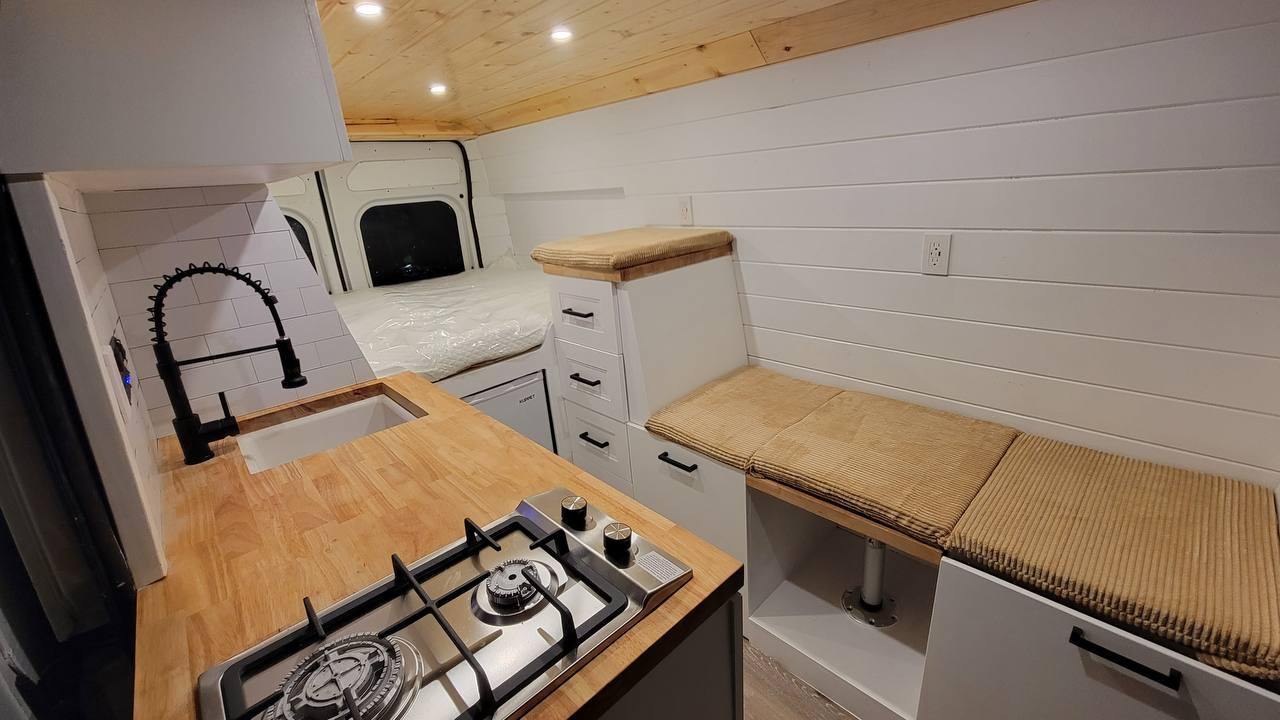
They are perfect for road trips, weekend getaways, or even full-time living. RV is equipped with various features like sleeping areas, kitchen, bathroom, living area, storage, climate control, entertainment, electrical and water system, enhancing travel experience, providing comfort, convenience and flexibility.
The roots of the RV can be traced back to the early 20th century when automobile travel began to boom. As people sought new ways to explore the great outdoors while still enjoying the comforts of home, the idea of a mobile living space was born. Americans, it seems, have been destined to be RVers since the earliest days that explorers set foot on this continent. Adventurers at heart, settlers came in search of freedom and opportunities to grow and discover. And discover they did – first by ship, then by horse, ultimately, by motorized vehicles that ushered in the RVs of today. The RV is a classic symbol of travel and adventure.
Deep Dive
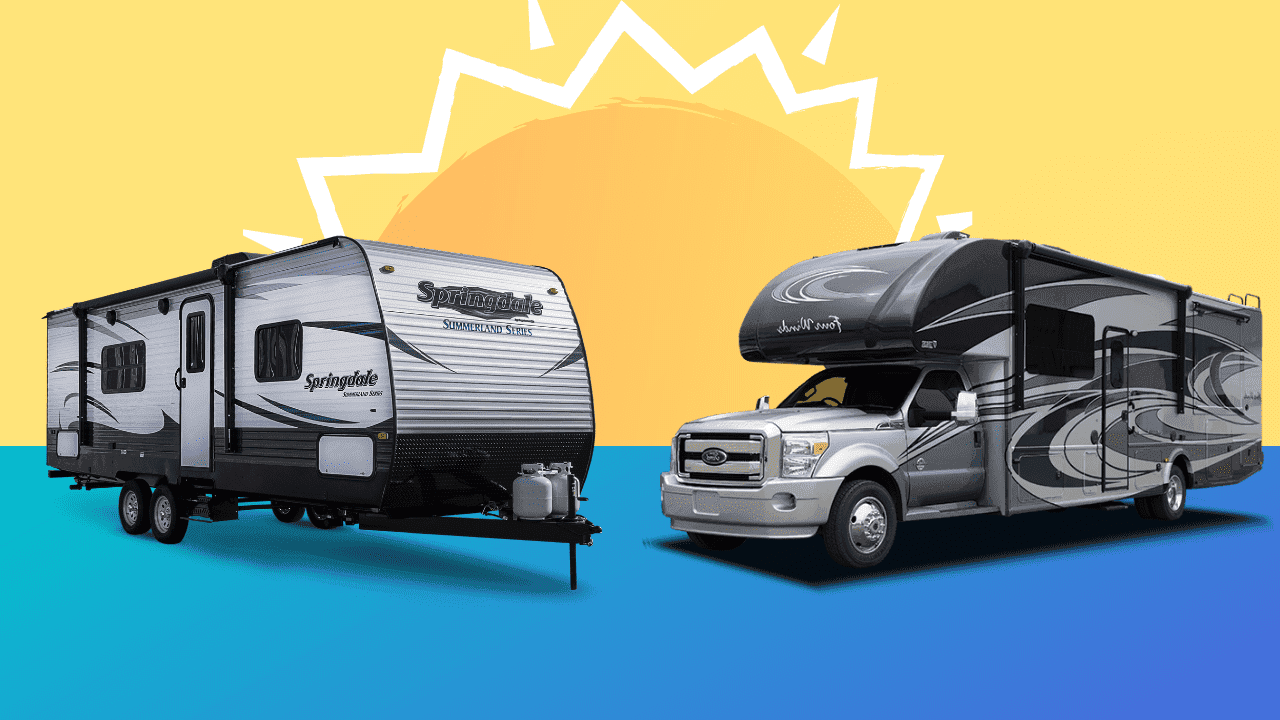
Motorized RVs vs Towable RVs
Section 10
Motorized RVs
Motorized RVs, or motorhomes, are self-propelled vehicles that combine a motorized engine with a living space. They are all-in-one solutions where you have both your mode of transportation and your accommodations in a single unit. Don’t need a separate vehicle to tow them.
Today, modern motorhomes are divided by classes, and are separated by the features they offer:
Class A:
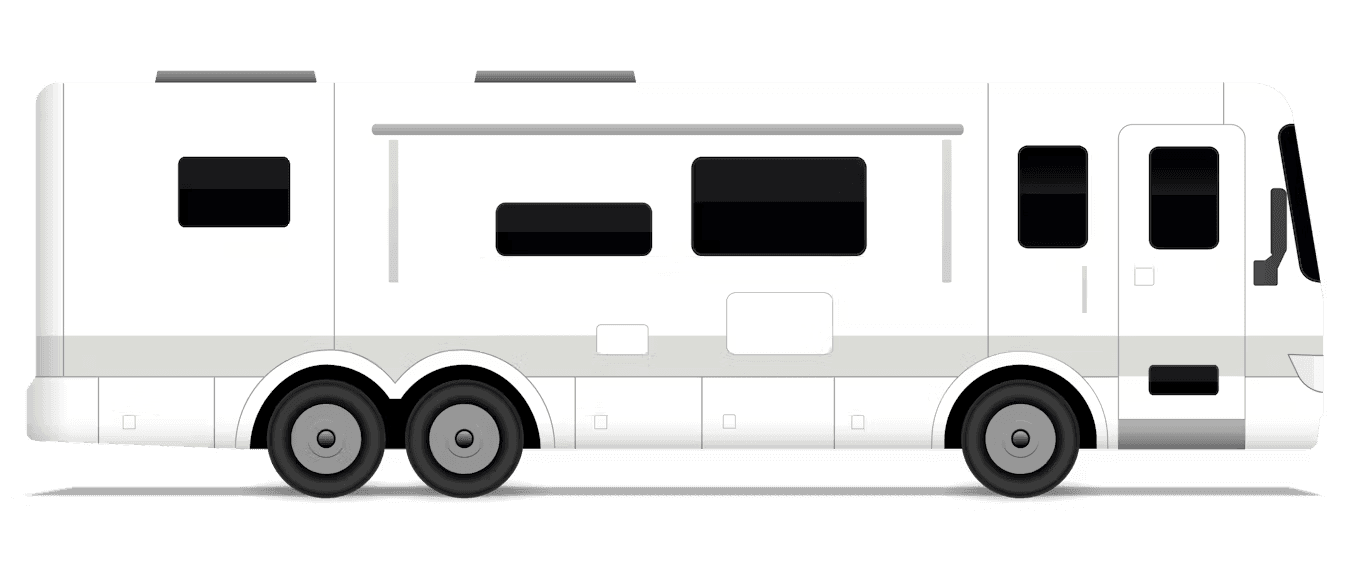
Class A motorhomes are RVs that are large and spacious.
Class B:
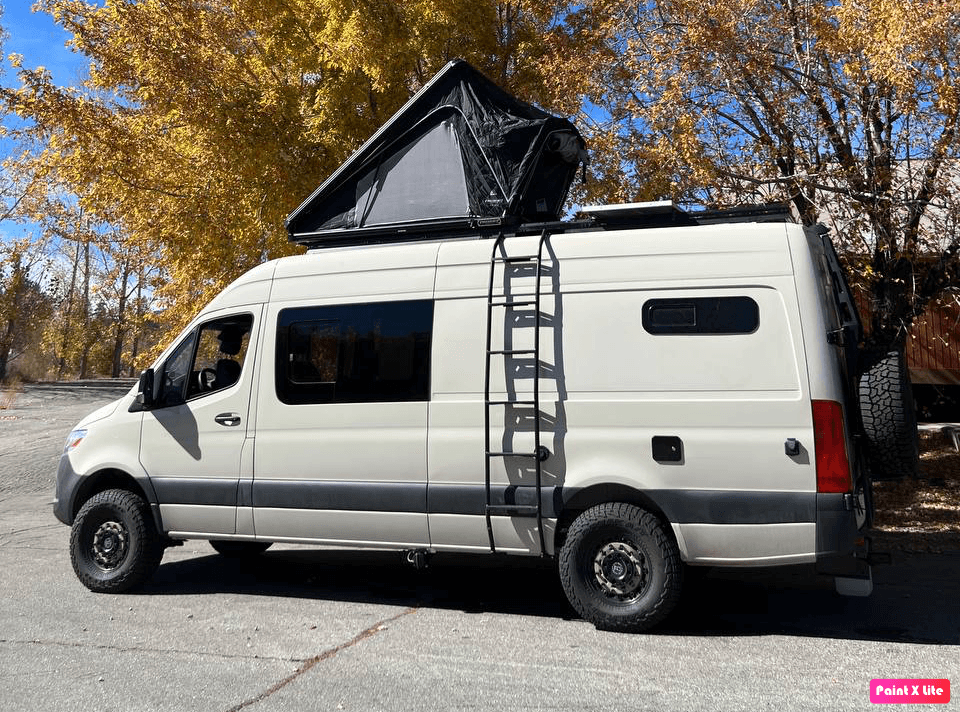
Class B RV motorhomes are luxurious, and are equipped with all essentials.
Class C:
Class C RVs are rigs that have been built into a truck chassis, usually offering some sort of lofted sleeping or storage area as a result.
Section 18
Key Features
Self-Propelled
The primary feature of motorhomes is that they don’t require a separating towing vehicle. Everything you need for your trip is contained within the RV, including the engine and living quarters.
Size & Comfort
Motorhomes come in a wide range of sizes. They typically offer more in terms of amenities and comfort, such as full kitchens, bathrooms, and sleeping areas.
Convenience
With a motorhome, you’re ready to hit the road immediately. No need to hitch or unhitch a trailer each time you stop—just park and enjoy your destination.
Ideal for Longer Trips
Since motorhomes offer ample space and amenities, they are perfect long-term travel or full-time RV living. They can easily accommodate families.
Section 27
Towable RVs
Towable RVs (Trailer/Camper), unlike motorhomes, require a separate vehicle to tow them to your destination. Towable RVs come in various styles and sizes, ranging from small and lightweight campers. They are hitched to towing vehicles (usually a truck or SUV) and towed wherever you want to go.
Following are the main types of Towable RVs
Pop-up:
Pop-ups are small travel trailers that have tent-like sides that fold down when not in use and pop out for additional storage and sleeping areas when parked.
Toy Hauler:
A toy hauler is a travel trailer with a large, built-in storage area for "toys," like bicycles, kayaks or other outdoor sports gear.
Travel Trailer:
Standard travel trailers refer to any trailer that can be pulled behind a vehicle, and are available in several sizes, uses, and designs.
Fifth Wheel:
A fifth wheel is a large RV that is only towable by a heavy-duty truck. Fifth wheels are often designed to provide optimal space, making them ideal for full-time RVers.
Section 37
Key Features
Separate Towing Vehicle
To use a towable RV, you need a separate vehicle with enough towing capacity. Once you reach your destination, you can unhook the trailer.
Flexible Storage
With towable RVs, you have the flexibility to choose a vehicle to match your towing needs. Many trailers have ample storage space for gear, making them ideal for those who need extra room for outdoor equipment like bikes, kayaks, or ATVs.
Variety of Sizes & Designs
Towable RVs come in many different shapes and sizes, offering a variety of options to suit travel needs.
Now let's dive deep into each type of RV one by one to know how to differentiate them from each other and choose one that best fits one's needs and requirements.
Let's start with the types of Motorhomes, Class A, Class B and Class C:
Deep Dive
CLASS A
Class A RV is a type of motorhome, built on a bus or commercial truck chassis. A Class-A motorhome is a self-propelled motorhome class that comes with either a diesel or gas powertrain. Class A RVs can be challenging to drive and park due to their size, in particular tight spaces. It can often be really hard to find ample parking at well-known locations.
Class A motorhomes are large, self-contained vehicles that come in various sizes, typically ranging from 26 to 45 feet in length, and are equipped with things needed for long trips. Class A motorhomes may not be suitable for every traveler, and it’s important to weigh pros and cons before committing to one.
Section 48
Design & Build
Class A motorhomes are designed for both function and comfort. They are often built on custom chassis made specifically for RVs, offering stability, a smooth ride, and the ability to handle the weight and size of the vehicle.
Section 50
Types
Class A motorhomes come in several types, each designed to meet specific needs and preferences.
Gas-Powered Class A Motorhomes:
Typically more affordable than their diesel counterparts, these motorhomes are perfect for short trips and occasional travel. They’re easy to drive and offer a balance between functionality and comfort.
Diesel-Powered Class A Motorhomes:
Diesel models are known for their high torque, which makes them more suitable for long-distance travel and heavier towing. These are generally more expensive
Section 56
Interior & Amenities
Class A motorhomes are known for their opulent interiors. Expect a full array of home-like amenities that will make any journey comfortable. It includes a kitchen, bathroom, and living area.
Section 58
Driving and Ownership
Driving a Class A motorhome requires some practice and confidence. Due to their large size and weight, they are less maneuverable than smaller RVs. Furthermore, operating a Class A motorhome requires a special driver’s license in some states, especially for those over a certain weight limit.
In addition to the complexities of driving, ownership comes with responsibilities:
storage space (which may require renting a larger parking spot)
insurance costs
and registration fees.
Driving and owning a Class A motorhome involves several considerations that owners should carefully evaluate. Here’s an overview of key factors:
Size and Maneuverability:
Class A motorhomes are large, often exceeding 26 to 45 feet in length. This size can make maneuvering in tight spaces, such as parking lots or narrow roads, challenging. It's essential to practice driving in various conditions to build confidence.
Fuel Consumption:
These vehicles consume more fuel, and it can significantly impact travel costs, especially during long trips. A Class A RV typically has a fuel consumption of around 6-8 miles per gallon on average, with some models potentially reaching up to 13 miles per gallon.
Maintenance Costs:
The average annual maintenance cost for a Class A RV can range between $1,000 and $3,000, depending on the RV's age, mileage, features, and how often it's used. This includes engine servicing, tire replacements, and upkeep of onboard systems. Maintenance costs can be higher compared to other RVs.
Depreciation:
Like all vehicles, Class A motorhomes depreciate over time. However, well-maintained units can retain their value better than others. Generally, a Class A RVs have an average depreciation of 36% after 5 years.
Section 68
Customization and Upgrade
Class A motorhomes are known for their spacious interiors and extensive amenities. However, their size and design can present certain limitations when it comes to customization and upgrades. Modifications can improve functionality, comfort, and aesthetics, but they can also lead to added costs, complexity, and maintenance challenges.
Section 70
Insurance, Financing, and Resale
Owning a Class A motorhome offers the freedom to travel in comfort and style. It’s essential to understand the financial aspects of ownership. Insurance, financing, and resale value all play crucial roles in the overall cost and long-term investment of your RV.
Higher Premiums:
Insurance is one of the most significant ongoing expenses when owning a Class A motorhome. Unlike other RVs such as Class B RVs, these larger Class A motorhomes come with more expensive repair costs, higher replacement values, and potentially greater liability risk. As a result, the premiums for Class A motorhomes are usually higher than those for other types of RVs.
Impact on Debt-to-Income Ratio:
Financing a Class A motorhome may impact your debt-to-income ratio, which is a crucial factor when applying for other loans, such as a mortgage or personal loan. If you’re already carrying other debts, adding an RV loan to the equation could limit your financial flexibility or make it more difficult to qualify for other types of credit. This is important to consider before committing to such a significant financial obligation.
Depreciation:
One of the biggest financial challenges of owning a Class A motorhome is depreciation. Like most vehicles, motorhomes lose value over time, and Class A models are no exception. In fact, motorhomes can experience steep depreciation within the first few years of ownership.
Resale Challenge:
Selling a Class A motorhome can be more difficult than selling a smaller RV or a typical vehicle. While the demand for Class A RVs models is more limited due to their size and cost. Buyers of Class A RVs tend to be more discerning, and resale values may be lower if you can’t find a buyer who is specifically interested in the features and specifications of your motorhome.
Purchasing and Maintaining Class A Motorhome requires careful financial planning. Insurance premiums, financing options, and potential depreciation are considerable factors for Class A motorhomes. The cost of owning a Class A motorhome can be a heavy financial burden, and it's crucial to understand the long-term expenses involved.